- Members
- Global S W Docs
- Newsletter
- News
- Regions
- About Us
- Committees

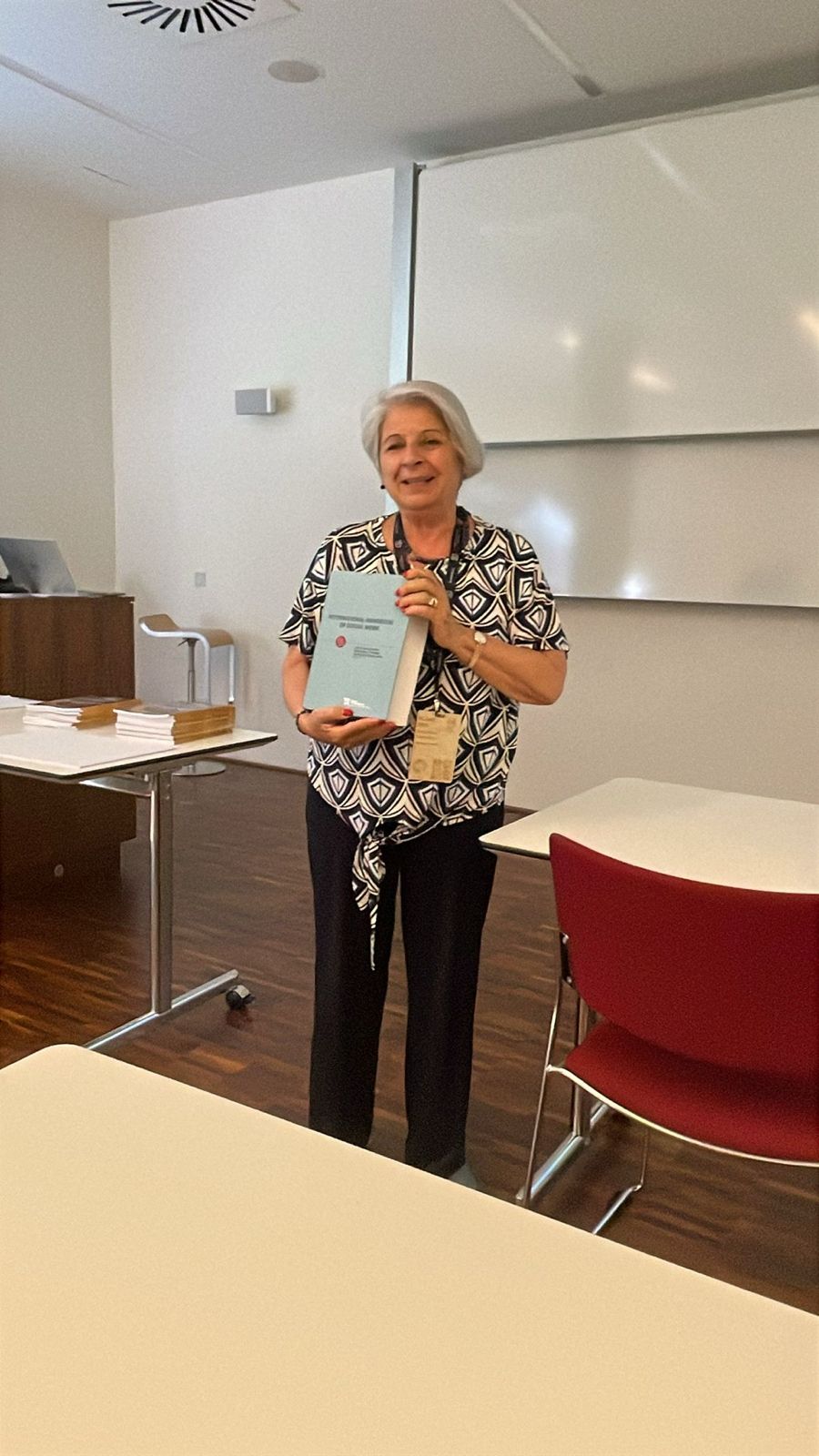
It is with great pleasure that I introduce this Compendium of International Social Work, a collective effort that brings together insights from distinguished scholars and practitioners across the globe. This volume is the result of a shared vision: to create a comprehensive resource that reflects the diversity, history, and contemporary challenges of social work in different contexts.
This book was born from the synergy between myself and my esteemed colleagues Jorge Garcés and Francisco Ródenas from the University of Valencia. As I reach the culmination of my presidency at the International Association of Schools of Social Work (IASSW), I wanted to mark this milestone by sharing the invaluable experiences I have gathered over the years—meeting diverse realities, traveling, and witnessing social work practices in different countries. During discussions with Jorge and Francisco, we envisioned the creation of a World Social Work Compendium, engaging experts from all five continents. Many of the contributors to this volume are professionals I had the privilege of meeting personally during my presidency making this project not only an academic endeavor but also a deeply personal one.
Looking at the history of social work, it is important to recall that the interest in its international dimension has been present from the very beginning. International collaboration has been fundamental to the growth and professionalization of social work across different countries. Extensive cross-border exchanges among the profession’s pioneers in the late nineteenth century enabled innovations such as charity visiting and settlement work to spread from the United Kingdom to the United States, laying the groundwork for what would become a globally interconnected discipline.
The first formal recognition of the international aspect of social work can be traced back to the inaugural conference held in Paris in 1928. René Sand, a Belgian physician deeply committed to the interplay of economic, social, and health factors in promoting genuine social development, was a key figure in this movement. Recognizing the need to professionalize the philanthropic sector and facilitate international knowledge exchange, he took inspiration from a national social work conference he had attended in the United States. With this vision, he organized the 1928 international meeting in Paris, bringing together 2,421 representatives from 42 nations. A significant portion of the discussions at this conference focused on education, which ultimately led to the formation of the International Committee of Schools of Social Work—later renamed the International Association of Schools of Social Work (IASSW). The committee held its first official meeting in Berlin in 1929 under the presidency of Alice Salomon. As a direct outcome of the Paris conference, two additional international organizations were established: the International Council on Social Welfare (ICSW), representing welfare organizations, and the International Federation of Social Workers (IFSW), previously known as the International Permanent Secretariat of Social Workers (IPSW), representing professional social workers.
As we approach the centenary of these landmark organizations, which will be commemorated in 2028, there could be no better moment to bring together perspectives from different countries to reflect on the origins, development, and future challenges of social work. This compendium is a tribute to this legacy, embracing both well-documented and lesser-known social work traditions to provide a richer and more inclusive understanding of our profession on a global scale.
In an era of rapid globalization, social work cannot remain confined within national boundaries. The interconnectedness of societies has amplified the complexity of social issues, requiring a broader and more integrated approach. Economic crises, forced migrations, climate change, and digital transformations are reshaping the way we engage with individuals, families, and communities. The importance of an international perspective in social work has never been greater. We must learn from each other, adapt to changing realities, and develop collaborative solutions to address the evolving needs of vulnerable populations worldwide.
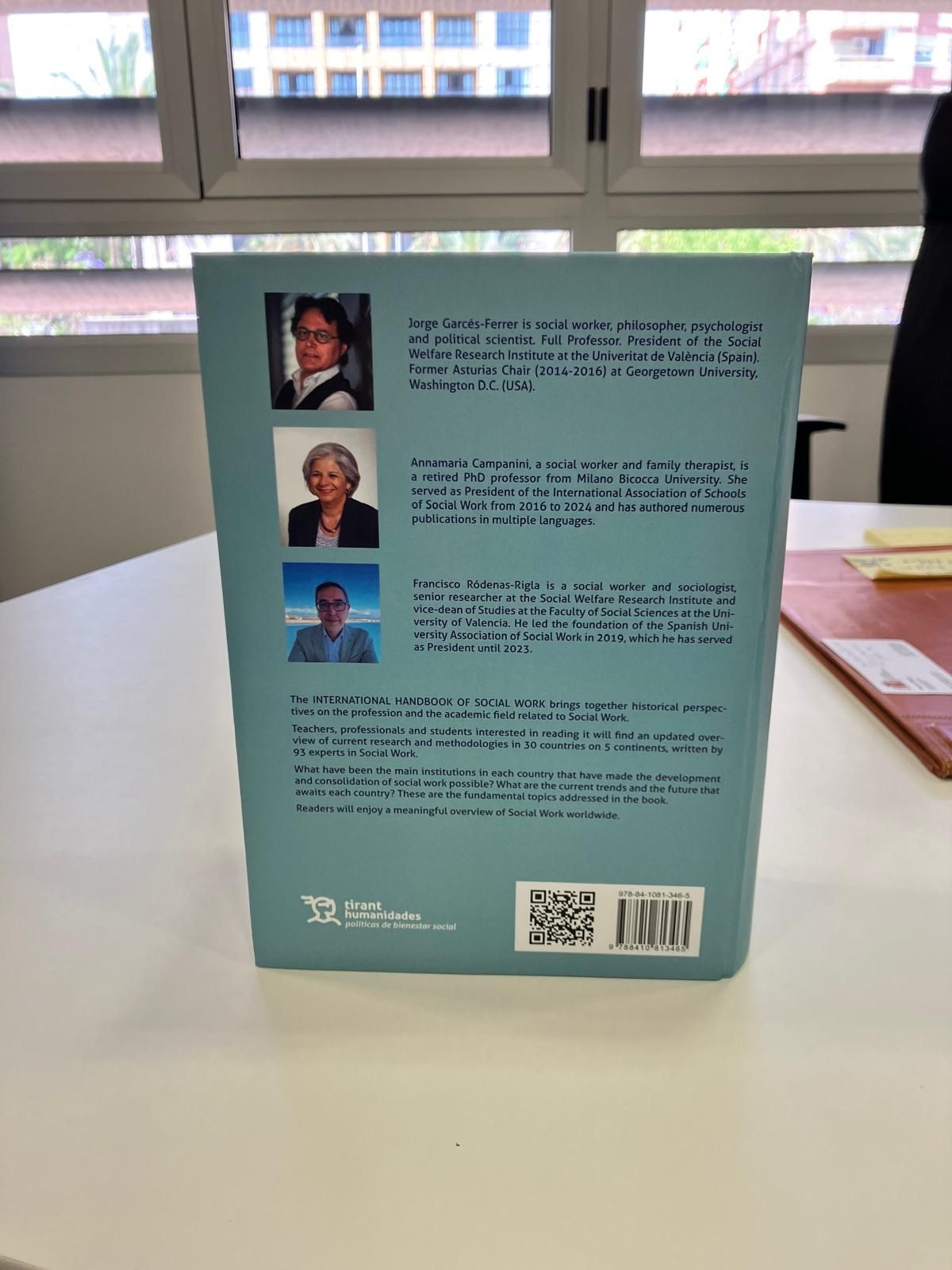
The interest in the international dimension of social work has grown significantly, as demonstrated by the increasing number of publications dedicated to this theme. Many texts focus on social work in specific regions, such as Europe, or on linguistic and cultural groupings, such as Portuguese- speaking countries. Others take a comparative approach but concentrate on particular themes or issues, offering valuable but limited perspectives. This compendium, however, distinguishes itself by encompassing contributions from 30 countries across all continents, including contexts that have rarely been examined in international literature.
Despite this extensive coverage, it is important to acknowledge that this volume does not represent the totality of global social work. Some countries, including those with well-documented social work traditions, are not featured here. Instead, the selection of countries seeks to offer a diverse and often underrepresented view of how social work is practiced and developed worldwide. By bringing attention to these less-explored contexts, we aim to enrich the global discourse and highlight the plurality of experiences that shape our profession.
Through the contributions in this volume, we gain a deeper understanding of how social work has developed in various parts of the world. Each chapter provides a historical overview, highlights key figures in the profession’s evolution, and examines the current landscape of social work education, research, and practice. Furthermore, the authors explore innovative methodologies and best practices that have emerged in their respective regions, offering valuable lessons for the global social work community.
As we navigate an increasingly interconnected and complex world, the exchange of knowledge and experiences across borders is more crucial than ever. Social work must be adaptive and responsive to the unique challenges faced in different socio-political and economic contexts. By understanding the distinct realities in each region, we can foster a more inclusive and equitable approach to social work that respects local traditions while integrating global advancements. This compendium serves as a platform for dialogue, reflection, and inspiration, reinforcing the importance of international collaboration in advancing our field. It highlights not only the diversity of social work but also the shared aspirations that unite us as professionals committed to social change.
I extend my deepest gratitude to all the contributors who have shared their expertise and perspectives. I would like to highlight that many of the authors are or have been members of IASSW and its Board, and it is also thanks to my presidency within this organization that I was able to involve them in this collective endeavour. Special thanks go to my colleagues Jorge and Francisco, whose support and collaboration have been instrumental in bringing this project to fruition and to the publisher Tirant Lo Blanch for recognizing the significance of this endeavor and providing a space for its publication.
It is my hope that this compendium will not only serve as a valuable academic resource but also as a testament to the rich and dynamic nature of social work worldwide. May it encourage future collaborations, inspire new generations of social workers, and contribute to the ongoing development of our profession at both local and global levels.
To buy the ebook or paper copy you can go to the website: Click Here
Annamaria Campanini
Immediate Past President, International Association of Schools of Social Work (IASSW)
Retired Prof. Phd. in Social Work
Università Milano Bicocca
022670_Portada